
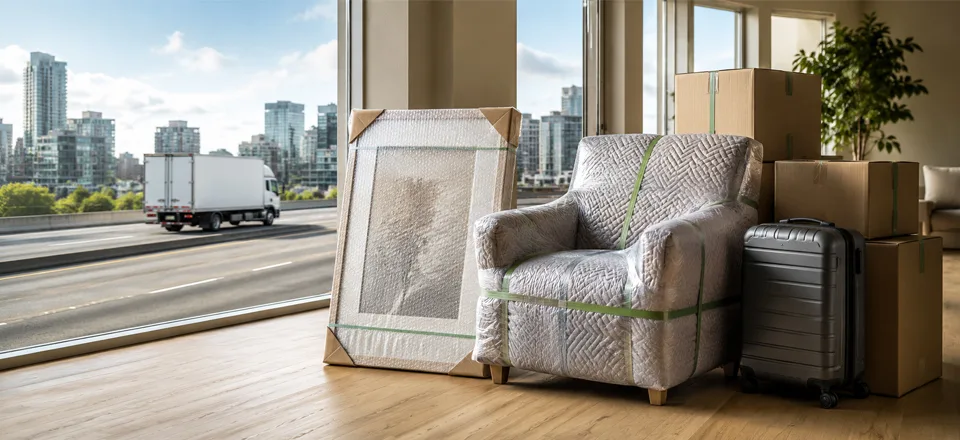
Intercity moving is a comprehensive transport process that gets your belongings to your new address in another city safely, on schedule and without hassle. Moving to another city means much more than loading your things onto a truck and driving them to the new address. Especially when the journey covers hundreds of kilometers, every stage — from packing and vehicle selection to the loading plan and insurance — needs to be thought through in advance.
That's why an intercity moving service is a far more extensive operation than a standard move within the same city. You need to take into account that your belongings may be exposed to a range of conditions on the long road, such as movement, vibration, sudden braking, temperature changes and load transfers.
Home moving isn't just about getting your belongings to the new address; it's about delivering them as close as possible to their current condition, on the planned date and through a well-controlled operation.
In this guide, we cover how an intercity home move works, the factors that determine moving prices, how belongings should be packed, when a furniture lift pays off and how to choose the best intercity moving company.
What Is Intercity Moving?
An intercity moving service is the professional transport of home, office or other belongings from their current city to an address in another city. For example, moving a home from Istanbul to Ankara, shipping office furniture from Izmir to Istanbul or delivering all the household goods of a family relocating to Antalya to their new address all fall under intercity moving. However, the longer distance changes the very nature of the operation.
A short move across town and a long-distance move covering hundreds of kilometers shouldn't be handled the same way. On long-distance moves, the following are especially important: an inventory of belongings, the right vehicle, proper packing, correct stacking inside the truck, a loading and delivery schedule, a furniture lift where needed, and insurance.
So a successful intercity move is really a well-prepared logistics plan. At Troy Depo, the distance may change, but the care we give your belongings never does.
How Does an Intercity Home Move Work?

An intercity home move generally consists of several key stages: pre-move planning, packing, loading, the intercity transfer, unloading and setting up. The most important point is that preparation starts long before moving day, not on the day itself.
1. Deciding What to Move
The first step is to decide which items in your home will be moved. Furniture, large appliances, electronics, kitchenware, textiles, books, personal items and fragile goods all need to be packed and transported in different ways. To build a sound intercity moving plan, you need to know the approximate volume and characteristics of everything that's being moved. This information also determines the size of the truck, the crew needed, the packing materials and how long the operation will take.
2. Creating a Moving Plan
The moving date, pickup and delivery addresses, floor levels, elevator availability, how close vehicles can get to the building and the amount of belongings are all assessed. In cities with heavy traffic and parking problems, such as Istanbul, the physical conditions at the loading address have a major impact on the operation. Likewise, conditions at the destination address should be known in advance. For example, if the truck can't pull up in front of the building, belongings may have to be carried by hand over a long distance.
This can change both the time required and the number of crew members needed.
3. Packing Belongings for the Long Haul
Packing is one of the most important stages of an intercity move. Small movements that wouldn't matter on a short trip can, over hundreds of kilometers, increase the risk of scratches, dents or breakage. That's why the packing method should be chosen according to the type of item.
4. Loading the Truck According to Plan
Heavy, sturdy items and delicate goods shouldn't be placed haphazardly side by side in the truck. The load should be evenly distributed, and furniture, appliances, boxes and fragile items should be positioned so they can't damage one another.
5. The Intercity Transfer
Once loading is complete, the truck sets off for the destination city along the planned route. On long-distance moves, road conditions, traffic, weather and operating hours can affect the delivery schedule just as much as the distance itself.
6. Unloading and Setup at the New Address
At the destination, belongings are carefully unloaded from the truck. Depending on the scope of service, previously disassembled furniture can be reassembled and items carried to their designated rooms. This way, your move to another city is organized door to door.
Why Is Planning So Important When Moving to Another City?
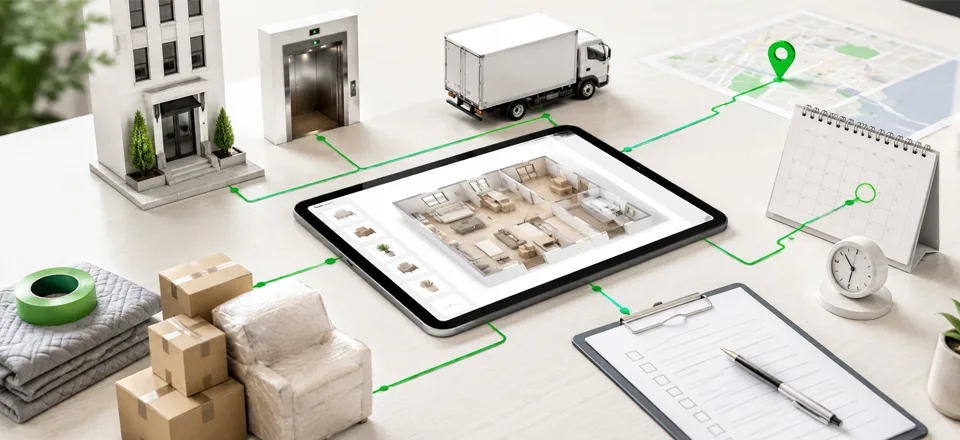
The most common mistake when moving from one city to another is treating the move as simply "hauling stuff." In reality, a move to another city involves many interconnected stages, and a problem at one stage can affect the entire process. For example: if the volume of belongings is miscalculated, the truck may turn out to be too small. If packing is inadequate, items may be damaged on the long road. If building conditions at the delivery address aren't checked in advance, extra equipment may be needed. If moving day is poorly planned, the intercity drive may run into rush-hour traffic.
That's why good moving logistics are built on gathering information in advance and solving potential problems before moving day.
How Are Intercity Moving Costs Determined?
Naturally, one of the questions people ask most is "How much does an intercity move cost?" But answering that with a single figure based only on distance is usually misleading, because intercity moving prices are the result of many variables considered together.
Distance: The distance between the origin and destination cities is one of the key factors affecting the price. Since Istanbul–Ankara and Istanbul–Antalya are not the same distance, fuel, driving time and operating costs differ too. Still, distance alone isn't enough to determine the price.
Volume of Belongings: Moving a one-bedroom (1+1) apartment and a four-bedroom (4+1) home doesn't require the same truck capacity or labor. As the volume grows, the vehicle size, crew size and loading and unloading time may all increase. So when requesting a price, rather than just saying "I'm moving from Istanbul to Ankara," give as much detail as possible about the size of your home and the amount of belongings.
Floor and Building Conditions: Which floor the home is on, whether the building's elevator is suitable for moving and how close the truck can get to the building can also affect the cost. Especially on high floors where an exterior lift system is needed, intercity moving with a furniture lift is considered.
Packing Needs: A move where you've packed everything yourself is not the same operation as one where a professional crew handles all the packing. Furniture, electronics, paintings, glassware or items of special value may require additional protective materials.
Disassembly and Assembly: Taking apart wardrobes, beds, tables or modular furniture and reassembling them at the new address can affect labor time.
Moving Date: Peak demand periods in the moving industry can affect prices and truck availability. So once your moving date is set, planning as early as possible works in your favor.
How Should Belongings Be Packed for a Move?

The question "How should belongings be packed for a move?" is especially critical for intercity moves, because the same packing material isn't suitable for every item.
Furniture: Suitable protective wrapping should be used to keep furniture from getting scratched and its surfaces from being damaged. Large pieces can be disassembled for transport when necessary. It helps to label screws, fittings and small parts separately so they don't get lost.
Glass and Fragile Items: Glasses, plates, decorative objects and similar fragile items should be wrapped individually in protective material. Reducing empty space inside the boxes helps keep items from shifting during the journey. Adding a clear warning such as "Fragile" to the box also makes it easier for the loading crew to position it correctly.
Electronics: For TVs, monitors and other electronic devices, use the original box if possible. If the original box isn't available, the screen and corners need special protection against impact.
Large Appliances: Appliances such as refrigerators, washing machines and dishwashers should be prepared before the move. Water connections should be shut off, the interiors emptied and moving parts secured.
Textiles: Clothing, curtains, bedding and similar items should be packed in a way that protects them from moisture and dirt.
Boxes: Overloaded boxes can get damaged in transit and create workplace safety risks. Heavy items such as books can go in small boxes, while light items such as textiles can go in larger ones.
Box coding is a small but effective method. Giving each box a room and contents code can make settling into your new home much easier. This method is especially helpful in intercity home moves with lots of boxes, as it makes it easy to see at a glance what goes where.
What Is Intercity Moving with a Furniture Lift?
Intercity moving with a furniture lift means moving belongings with a lift system set up on the outside of the building, where conditions allow, instead of using the stairs or the building's elevator.
It can be particularly advantageous in high-rise buildings. A furniture lift may be the better choice when the stairs are narrow, the building's elevator isn't suitable for moving, large furniture can't be taken out through the building, or carrying items down from upper floors would take too long.
However, an exterior lift can't be used at every building. The setup area must be suitable, the truck must be able to get close to the building, and the façade conditions must be assessed.
That's why it's better to share the address conditions at the quote stage instead of deciding on moving day whether a lift is needed.
What to Keep in Mind When Moving to Another City

If you're searching for "what to keep in mind when moving to another city," you need to focus not only on moving day but also on what comes before and after it.
Set Aside Items You Won't Be Taking
Don't leave the items you won't take to your new home until the last day. Setting aside furniture you don't use, old electronics or things you no longer need ahead of time can reduce the volume to be moved.
Keep Valuables With You
It's better to carry items such as IDs, passports, jewelry, cash, important contracts and personal documents with you rather than putting them in the general moving boxes.
Pack a First-Night Box
When you arrive at your new home, you probably won't want to dig through dozens of boxes for the basics. So keeping a few changes of clothes, toiletries, chargers, basic kitchen supplies, medications and important documents in a separate box or suitcase makes things much easier.
Check the New Address in Advance
Find out in advance when you'll get the keys, how building access works, where vehicles can park, whether the elevator can be used and what rules the property management has. Residential complexes in particular may have set hours when moving trucks can enter or specific rules for moving in.
How to Choose an Intercity Moving Company
Choosing the best intercity moving company matters, because it directly affects the quality of your move. When choosing a company, find out exactly what the service includes. Ask whether packing, disassembly, assembly, a furniture lift or other services are included in the price. Rather than going with companies that quote a price without asking about the volume of your belongings, choose a moving company that asks about volume and prices the job accordingly.
If Your New Home Isn't Ready, Troy Depo Has Safe Storage for Your Belongings!
When moving to another city, your move-out date and move-in date may not line up. Your new home might not be ready yet, or renovations may still be underway. In such cases, planning the move together with household storage can be a real advantage.
Your belongings can be picked up from your current address, packed, kept in a suitable storage space for a set period and then delivered once your new address is ready. This model can bridge the timing gap between two homes, especially when you're moving out of town.
Plan Your Intercity Move with Troy Depo
Moving to another city can be one of the biggest changes in your life. But the move itself doesn't have to be just as complicated. For moves that call for both transport and storage, Troy Depo helps you plan the packing, transport and, when needed, storage of your belongings.
Besides Istanbul, Troy Depo's service network covers Ankara, Izmir, Antalya, Bursa, Kocaeli and many other cities. Click here to see our service locations. Local and out-of-town moves can be scheduled based on your needs and availability.
Whether you're planning an Istanbul–Ankara move, an Istanbul–Izmir move or an Istanbul–Antalya move, the right starting point isn't waiting for moving day — it's assessing your belongings and address conditions in advance. Because a good move doesn't start when the truck hits the road; it starts with the right plan.
Frequently Asked Questions About Intercity Moving
How does an intercity home move work?
First, the amount of belongings and the address conditions are determined. Then the moving date, vehicle, crew and packing method are planned. Belongings are packed and loaded onto the truck, the intercity transfer takes place and everything is unloaded at the new address. Depending on the scope of service, disassembled furniture can be reassembled.
How much does an intercity move cost?
The price of an intercity move depends on the distance between origin and destination, the amount of belongings, the size of the truck, the floor level, packing and assembly needs and, if necessary, the use of a furniture lift. That's why you need a quote based on your belongings and address details to get an accurate price.
How are belongings packed for an intercity move?
Packing should match the type of item. Fragile items should be wrapped in shock-absorbing materials, furniture in protective covers that prevent scratches, and electronics with extra protection for screens and corners. Boxes should be labeled with the room and contents.
When is a furniture lift needed for an intercity move?
An exterior lift system may be preferred in high-rise buildings, when the building's elevator isn't suitable for moving or when large furniture is hard to get down the stairs. However, the area around the building and the façade conditions must be suitable for the system to be set up.
What should you look for when choosing an intercity moving company?
When choosing a company, look beyond the total price: check how packing, insurance, transport, disassembly and assembly, the lift and delivery are defined in the quote. A company that asks for details about your belongings and address conditions is also a good sign of proper operational planning.
Can moving to another city and storage be combined?
Yes. If your new home isn't ready yet, or your move-out and move-in dates don't overlap, your belongings can be stored temporarily. The process can be planned so that your belongings go to storage first and then from storage to your new home once it's ready.
When should you get a quote for an intercity move?
It pays to start researching as soon as your moving date is set. Especially during busy periods, planning early makes it easier to secure the right crew and truck.
Intercity Moving Quote
Don't put off your intercity move — start planning today. Fill out the form below to tell us about your belongings, your pickup and delivery addresses and your estimated moving date, and our expert team will prepare a personalized quote for you shortly.
For moves within the same city, we've covered the steps in our local moving guide.

