
Appliance Storage: Keep Your Appliances Safe with Troy Depo!
Last updated: 8 July 2026 • 4 min readAppliance storage is a safe solution for the refrigerator, washing machine or dishwasher you need to move out of your home during a move, a renovation or urban renewal (earthquake-driven redevelopment). If appliances are not stored the right way and in the right place, they can develop all kinds of problems, from moisture and rust to unpleasant odors. That is why working with a professional storage company like Troy Depo makes the whole process hassle-free and lets you keep your appliances safe.
In this article, we explain what to keep in mind before putting your appliances into storage, how the storage process works and what Troy Depo offers you along the way.
Why Is Appliance Storage Such a Delicate Matter?
Dropping off a sofa or a bookcase at a storage facility is relatively simple, but appliances need a different kind of care and storage. They contain hoses that hold water, seals, electronic boards and corners where moisture likes to collect. A washing machine that sits in an enclosed space for days or even months without proper preparation may greet you with bad odors, mold or rusted parts. That is exactly why appliance storage should be treated as a specialty of its own, separate from ordinary household storage.
People moving abroad, families temporarily relocating to another address because of urban renewal, or an appliance dealer with surplus stock to store… They all share the same basic need: a reliable storage facility for their appliances. To get your appliances back intact and in working order, just as they were on the day they were picked up, choosing the right storage facility and packing them properly before storage are essential.
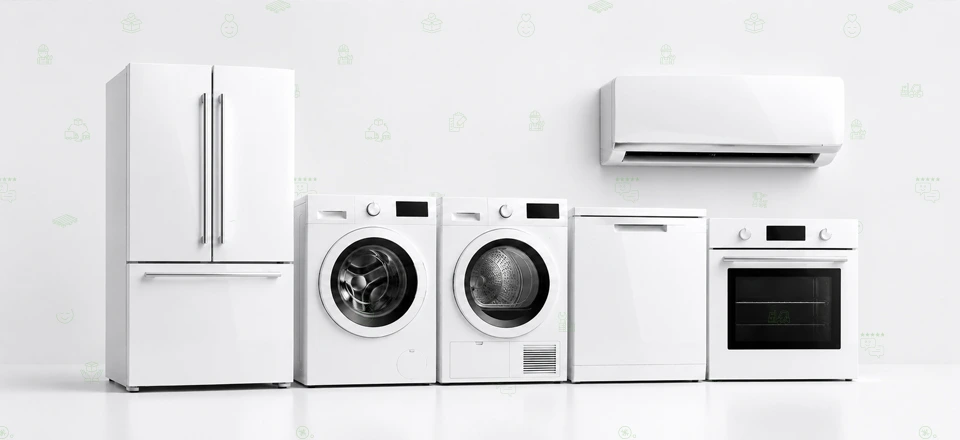
Which Appliances Can Be Stored?
- Refrigerators and chest freezers
- Washing machines and dryers
- Dishwashers
- Built-in appliance sets, ovens and cooktops
- Air conditioners and other small home electronics
To be accepted into storage, these appliances are expected to be cleaned, fully drained and, if possible, in their original box or protective packaging. Devices containing flammable, explosive or hazardous substances (for example, heaters with gas canisters) cannot be stored.
What to Do Before Putting Your Appliances into Storage
For appliances such as refrigerators, washing machines and dishwashers to stay in good condition throughout storage, they need to be prepared correctly before they are handed over. This way, you prevent odors and moisture buildup and reduce the risk of possible malfunctions.
- Switch the appliances off in advance: If possible, unplug appliances such as refrigerators, washing machines and dishwashers at least 1–2 days before storage. This gives the internal components time to rest and, especially for cooling appliances, allows enough time for ice and moisture to thaw.
- Empty the interior completely: No food, ice or liquid residue should be left in refrigerators and freezers. Shelves, drawers and removable parts should be cleaned and dried separately. This step prevents odors from developing during long-term storage.
- Check for any remaining water: In water-using appliances such as washing machines and dishwashers, make sure no water is left in the hoses, filters or inner compartments. Even a small puddle can lead to dampness, bacterial growth or bad odors over time.
- Dry and air out thoroughly: After cleaning, it is better to leave the doors open for a while instead of closing them right away. Making sure the interior of enclosed appliances such as refrigerators and washing machines is completely dry largely prevents moisture problems during storage.
- Protect vulnerable spots: The areas most likely to be damaged in transit are usually corners, doors, hinges and outer surfaces. Reinforcing these areas with bubble wrap, cardboard or protective packaging materials reduces the risk of scratches and dents.
- Secure cables and hoses: Cables and connectors at the back of the appliance should not be left hanging loose. They should be neatly gathered and secured so they do not catch, tear or get crushed during transport.
These preparations may seem minor, but they are essential for keeping appliances safe in storage. An improperly prepared appliance can run into problems such as moisture, odors or mechanical damage even during short-term storage. On request, Troy Depo provides professional support in preparing your appliances for moving and storage.
How Does Appliance Storage Work at Troy Depo?
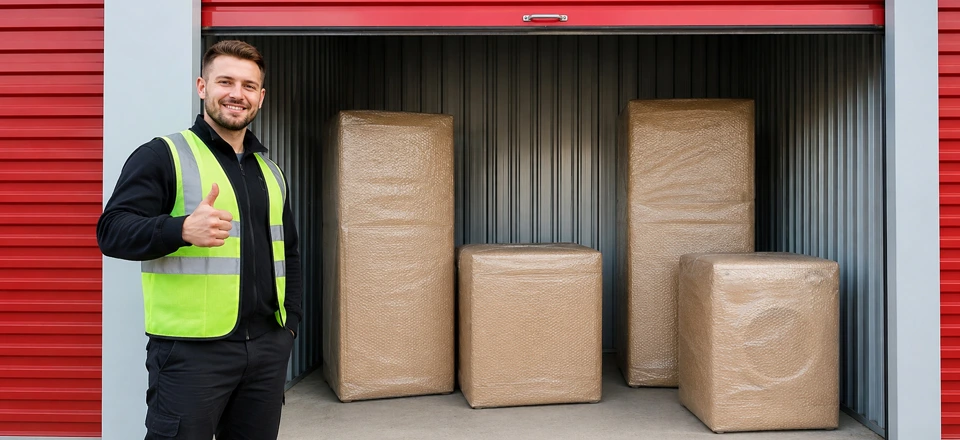
At Troy Depo, your appliances are picked up and safely placed in storage. The entire process is planned and transparent. From transport to the storage area, you handle every step with a single company.
First, the number of appliances to be stored, the space they take up and the storage period are assessed, and the storage solution that suits you best is offered. On request, your appliances are picked up from your address. To protect them against knocks and scratches during transport, the corners, doors and sensitive parts of the appliances are packed with suitable protective materials. The team carefully transports your belongings to the facility and places them in the designated area.
At Troy Depo, your appliances are kept in storage areas that are regularly inspected and protected by security staff and a 24/7 CCTV system. For detailed information about insurance, see our article on Insured Household Storage.
One of the most important advantages of Troy Depo is that moving, packing, secure storage and insurance are not handled as disconnected processes. Because all stages are managed within a single service plan, your appliances are protected in a controlled and secure way both in transit and for as long as they stay in storage.
Appliance Storage Prices
Several factors affect the cost of appliance storage. One of them is the number and volume of appliances to be stored: storing a single refrigerator costs differently than storing several appliances. The storage period also affects the price, as short-term and long-term household storage are priced differently. Prices also vary with additional requests such as moving and packing. For detailed information on household storage prices, see our Household Storage Prices article, or contact us directly to get an exact quote.
Frequently Asked Questions About Appliance Storage
How many hours before storage should I unplug my refrigerator?
Unplugging it at least 48 hours in advance provides a safe waiting period for both the compressor and the electronic components.
What happens if water is left in the washing machine or dishwasher?
Water left inside the machine or in the hoses can cause bad odors, dampness and bacterial growth during storage. That is why the appliances should be drained before they are moved and handed over to storage as dry as possible.
Will my appliances get moldy in storage?
Troy Depo's humidity-controlled storage areas are designed to eliminate the risk of mold and dampness. When you prepare your belongings correctly before handing them over, this risk is practically close to zero.
Do I have to take my appliances to the storage facility myself?
You can either deliver your belongings yourself or use Troy Depo's moving service. With the moving service, your appliances are picked up from your address and safely transported to the storage area.