
Where to Store Your Belongings During a Renovation?
Last updated: 4 August 2026 • 5 min readDuring a renovation, the question of where to keep your belongings is bound to come up. Once you decide to remodel your home, especially if you're planning a detailed project that could take a while, you may find yourself looking for a place to put your things. To keep your belongings from getting damaged, to keep them out of the contractors' way and to make the work go more smoothly, you may need to store them somewhere else.
Where should you store your belongings during a renovation, and is storage a sensible solution? In this article, we explain the storage service we offer for people renovating their homes.
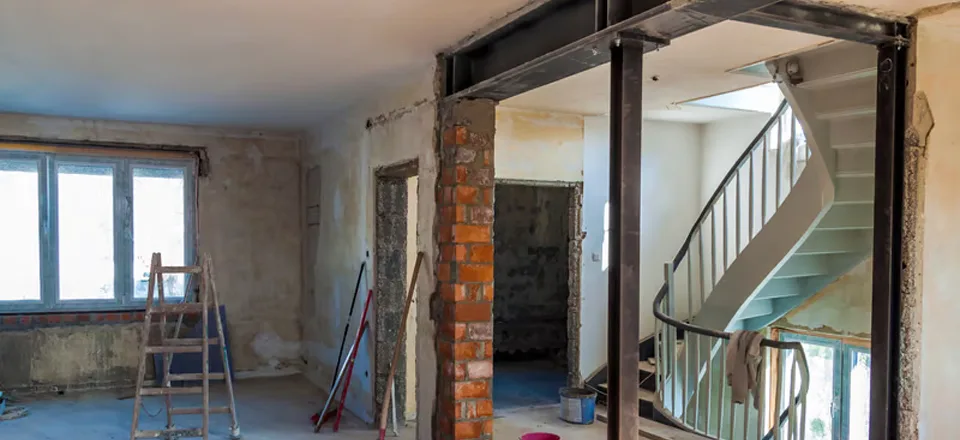
Storing Your Belongings During a Renovation
Can Your Belongings Get Damaged During a Renovation?
When repairs and renovations are underway, there's certainly a chance your belongings will get damaged if they aren't well protected. Dust from demolition, cutting, plastering and sanding can work its way into even the smallest gaps. These dust particles can harm electronics, the inside of upholstered sofas and other items.
Painting, plastering and tiling can also create humidity problems during a renovation. In humid conditions, wooden furniture can swell and crack, and metal surfaces can rust. Knocks and scratches are also among the most likely types of damage during a renovation. Especially when work is done in small spaces, materials, ladders, and drilling and cutting tools can damage your household items. Paint and thinner used for painting walls pose a risk to your belongings as well.
Once you see these risks, the answer to "Is it enough to pile everything in a corner and cover it with plastic sheeting?" becomes clearer: for large-scale renovations, this approach usually falls short.
Is Temporary Storage at Home Enough?
If the renovation only covers one room or a small area, keeping your belongings temporarily in another part of the house can be a sensible solution. An unused room or an enclosed balcony can come in handy here. Items can be covered with plastic sheeting or old bed sheets. Electronics, however, should be kept in a sealed-off area.
For small, short renovations, this approach usually works fine. But when the whole house is being remodeled or the work will last for weeks, keeping your belongings inside the home is risky in terms of protection and seriously restricts the contractors' workspace.
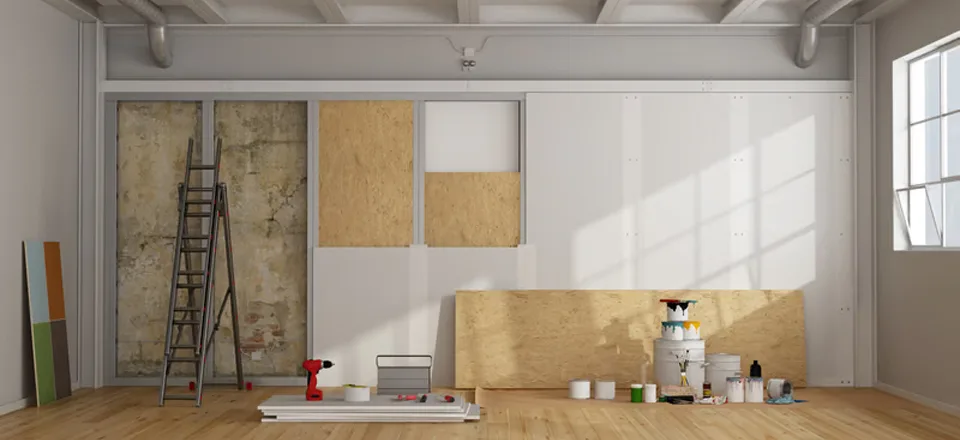
The Safest Solution for Major Renovations: Professional Storage
For large projects such as a kitchen, bathroom or whole-home remodel, entrusting your belongings temporarily to a professional storage facility is the most reliable option. It keeps your belongings completely away from dust, paint and impact damage, and leaves the renovation crew with an empty, comfortable space to work in.
Here are the main things to look for in a professional storage service:
A private storage space: Keeping your belongings apart from anyone else's matters for both hygiene and security. You should be assigned a private room, with the key staying with you.
Security: 24/7 CCTV monitoring, controlled entry and exit, and access accompanied by a facility manager give you peace of mind that your belongings are safe.
Professional packing and disassembly service: Preparing items with the right packing materials based on their volume, the floor level and conditions such as narrow stairs or elevators minimizes the risk of damage during transport.
Flexible duration options: Renovations usually take longer than planned. A rental model that lets you extend weekly or monthly saves you extra stress. We explain how this model works in our article on monthly storage rentals.
Insurance: Having an insurance option to cover unexpected events during storage gives you peace of mind.
This is where Troy Depo comes in. As a company working with a private room storage system, we first assess your belongings and prepare the most suitable space and quote for you. When disassembly, packing, transport and storage are all handled by a single provider, you can focus solely on your renovation. For more on household storage, take a look at our article How to Store Your Belongings.
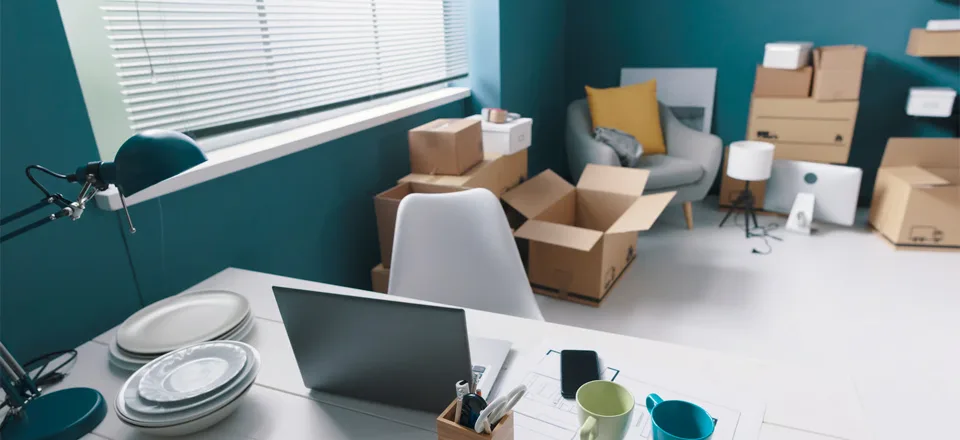
Take an Inventory of Your Belongings
The most critical step is taking an inventory of your belongings before the renovation starts. Going room by room and deciding where each item will go prevents a lot of chaos later on. Sorting your belongings into three main groups makes things easier:
- To be stored: Large furniture, home appliances and delicate items that absolutely must be moved out of the work area during the renovation
- To be protected: Items that can stay in the house but need special covering and protection
- For daily use: Things you'll need throughout the renovation and should keep within reach
Taking photos of your belongings at this stage is also a good habit. It gives you evidence in case of damage later on, and it helps make sure everything goes back to its proper place when the renovation is finished.
How to Put Everything Back After the Renovation
Once the renovation is complete, the space should be thoroughly cleaned before you take your belongings back from storage. Labels on the boxes make it easier to remember which item belongs in which room. Not rushing when reconnecting electronics, and getting help from a technician if needed, is also a choice that protects you in the long run.
In short, there's no single right answer to the question of where to store your belongings during a renovation; it depends on the scope and length of the work and the type of items you have. For small, short jobs, a temporary solution at home may be enough, while for major remodels, entrusting your belongings to a professional storage facility both protects them and helps the renovation move faster. With good planning, proper packing and a reliable storage partner, it's entirely possible to manage this process comfortably.
If your building is being completely demolished and rebuilt as part of urban renewal (earthquake-driven redevelopment), see our article on storing your belongings during urban renewal. If you need to empty your entire home for a while, you can also see how our household goods storage service works.

