
How Should I Pack My Belongings?
Last updated: 14 April 2026 • 5 min readWhen packing your belongings, always take the type and size of each item into account. Keeping in mind how things will be used after packing, use labels and rely on packing materials suited to the box type and the item. That way, you can move without damage.
Whether you are moving home or office, renovating or need long-term storage, the question "How should I pack my belongings?" inevitably comes up.
This guide was prepared especially for those looking for a pre-move storage guide and for anyone asking how to pack fragile items and seeking practical advice. Troy Depo serves customers who want professional support during the packing process. And thanks to our modern partner warehouses, we help you keep your belongings safe exactly the way you want.
Why Is Proper Packing So Important?
Moving or renovating can be stressful, but proper packing minimizes most risks and makes for an orderly, easy moving and storage experience. At Troy Depo, we understand how much the belongings our customers entrust to us mean to them, and we take great care with packing.
Adjustments by Storage Duration
- Short Term (0–6 months): If you will be taking your belongings back soon, box organization and quick access are especially important. Practical solutions may be enough instead of multi-layer packing.
- Medium Term (6–12 months): When storing seasonal items such as summer clothes or winter sports gear, pay attention to humidity control. Using sturdy boxes and filling the empty space inside them prevents dust from building up.
- Long Term (12+ months): For major projects such as urban renewal or a stay abroad, choosing the sturdiest packing materials is recommended. Wooden or leather items may need extra care depending on the situation if they are stored for a long time.
How to Pack Fragile Items
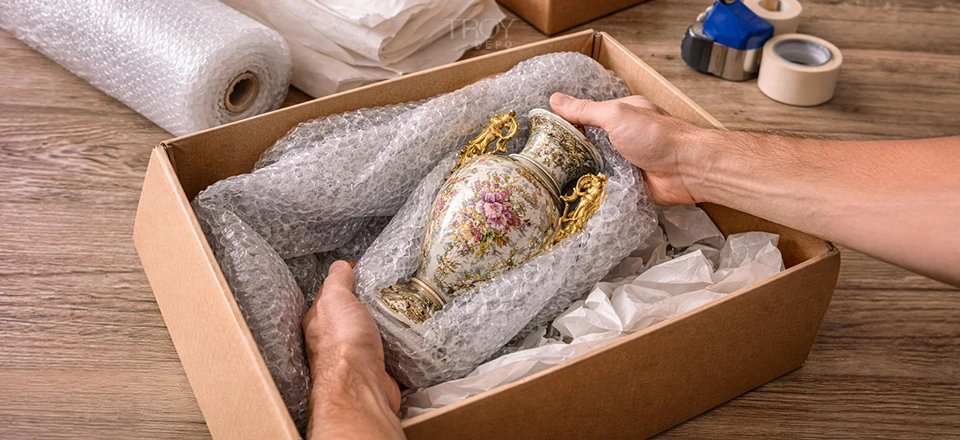
"How do you pack fragile items?" is one of the most critical questions in any move or storage process. Objects such as glass, porcelain, ceramics or artwork can easily be damaged by improper packing. This risk is largely eliminated with a good packing strategy. We explain the step-by-step method for glasses, plates and glassware in our packing glass and fragile items article.
Bubble Wrap and Styrofoam
- Bubble Wrap: Its shock-absorbing structure makes it ideal for glass plates, vases and frames. Wrap and tape each item individually, and try not to leave any empty space in the box.
- Styrofoam Corner Protectors: The corners of tables, cabinets and paintings are the most vulnerable spots. Corner protectors shield these areas from impacts.
- Newspaper and Old Cloths: These can be used as extra filler. The trick is to fill the empty space in the box to reduce shifting.
Electronics and Antiques
- High-Value Items: For items of great sentimental or monetary value, several layers of bubble wrap, foam sheets and extra taping are recommended. It is also wise to list the value of these items in your insurance policy.
- Electronic Devices: The original box is best, but if you no longer have it, it is important to secure the device with foam and pack the cables separately. Use moisture-protective bags, especially if you will be storing them long term (12+ months).
Tip: Always label your valuables and add warnings such as "fragile." This way, the moving crew will handle them with extra care.
Pre-Move Storage Guide
Whether you will use storage for the short or long term, material quality and proper labeling are the keys to keeping your belongings safe. Wrapping fragile objects individually, placing them in the right boxes and labeling the boxes prevents both damage and confusion later on. To use bubble wrap the right way around and with the right number of layers, see our how to use bubble wrap article.
Cardboard Boxes, Packing Tape and Other Supplies
- Choosing Cardboard Boxes: Thin, flimsy boxes are at risk of tearing. Choose sturdy, double-wall boxes designed for moving.
- Packing Tape: After wrapping fragile items, taping the box in at least two directions reduces the risk of the bottom giving way.
- Marker and Labels: Room-based labels such as "Kitchen," "Living Room" and "Bedroom," or category-based labels such as "Glassware" and "Electronics," make unpacking and finding what you need easier.
Tips for Filling Boxes
- Heavy Items on the Bottom, Light Ones on Top: Placing a pillow on top of fragile plates creates a shock-absorbing layer.
- Don't Overfill Boxes: Putting all your fragile items in one very large box means a higher risk. Splitting them into medium-sized boxes reduces damage.
The Benefits of Working with Professional Moving and Packing Teams
You can do the packing yourself, but if you have very fragile or heavy items in particular, getting help from a professional moving and packing team makes the whole process more comfortable. These teams prepare materials quickly and load the truck correctly, saving you time and keeping the risk of damage to a minimum.
Damage-Free Moving and Time Savings
- Experienced Staff: They know exactly how to wrap fragile pieces or electronic devices such as TVs.
- Correct Loading Order: When loading the truck, heavy boxes go on the bottom and fragile items in the upper, protected section. Gaps are filled with filler material.
Insurance and Expert Advice
- Storage Insurance: Protects you from financial loss in unexpected events (fire, flood, terrorism, natural disasters). It is the most recommended add-on service for long-term storage.
- Consulting: Especially for urban renewal or long-term projects abroad, you can get guidance on how much packing material you may need and which contract term is right for you.
At Troy Depo, we keep all our customers informed and make sure their process goes flawlessly. If you like, you can get a quote using the form at the bottom of the page and leave the rest to us.
Common Packing Mistakes
No matter how careful we are, some common mistakes can lead to costly damage. Being aware of these mistakes and fixing them with simple precautions will give you great peace of mind afterward. One of these mistakes is wrapping wooden furniture directly in stretch wrap; we explain why in our how to use stretch wrap article.
Wrong Box Choice and Overfilling
- Moving heavy items in large, flimsy boxes increases the risk of boxes opening or tearing.
- Solution: Choose sturdy medium-sized boxes and distribute the weight evenly.
Inadequate Labeling
- Not writing down the contents of boxes or leaving out a "fragile" warning leads to problems such as not being able to find what you need after the move or incorrect loading.
- Solution: Add a short description to every box, such as "kitchen plates," "electronic cables" or "living room accessories."
Pack Your Belongings with the Troy Depo Guarantee!
Packing with the right techniques ensures that your belongings arrive safely at their new address. Small details at the packing stage make a big difference in the long run.
Thanks to the right choice of materials, layered protection and labeling by category or room, you will have a positive moving experience. And when you take your belongings back out of storage, they will be scratch-free and safe. We show how to set up a labeling and numbering system in our box labeling and numbering article.
By following the steps in this guide, you can pack your belongings without damage, in an organized way and with ease.
You can then complete the safe transport with the moving crew and have everything neatly arranged in storage.
If you would like us to manage the entire process for you, fill out the form below. Our expert team will get in touch with you as soon as possible!