
10 Things You Need to Know About Personal Storage!
Last updated: 12 July 2026 • 6 min readKnowing the rules of personal storage matters both for keeping your belongings safe and for avoiding problems during the storage period. Knowing which items can be stored, which are not accepted and the details of packing and the contract makes the whole process much smoother. In this article, we walk you step by step through 10 key things you should know before putting your personal belongings into storage.
Personal Storage Rules and What to Watch Out For
Belongings that pile up at home, at the office or in your living space can sometimes create a serious space problem. In situations such as moving, renovating, relocating abroad, storing seasonal items or downsizing to a smaller home, a personal storage service offers a practical and safe solution. However, there are some important points to keep in mind before you hand your belongings over to a storage facility. Outgrown children's items are a common example of this need; for details, see our article on storing baby and children's items.
Not Every Item Is Accepted Into Storage
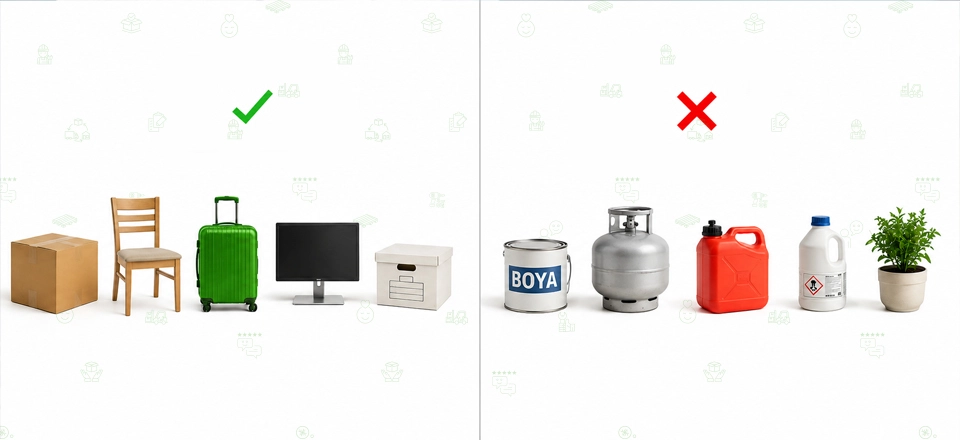
One of the most important personal storage rules concerns which items are and are not accepted. It may seem like anything can be stored, but some products are not allowed into storage facilities for safety, hygiene and legal reasons.
Flammable and explosive materials, chemicals, perishable food, live plants and animals, unlicensed firearms, illegal goods, cash, jewelry, valuable documents and materials that may give off bad odors should not be left in storage.
Such items can pose a risk both to your own belongings and to other storage units. That is why you should always review the company's list of prohibited items before using a storage service.
Belongings Must Be Packed Properly
For your belongings to be stored safely, packing is just as important as choosing the right facility. If items will stay in storage for a long time, they need to be protected against dust, moisture, impacts and scratches.
Fragile items should be wrapped in bubble wrap or protective packaging, furniture should be covered with stretch film and blankets, and clothes should be kept in wardrobe boxes or closed containers. Electronics should ideally be kept in their original boxes or with protective padding.
Writing short notes on the boxes listing their contents also makes storage easier. That way, when you want to retrieve your belongings, you can find what you are looking for much faster.
Always Review the Storage Contract
With a professional storage service, the contract provides an important safeguard. The storage contract should clearly set out the service period, pricing details, payment terms, the responsibilities of each party and the procedure to follow in the event of damage.
There are a few points you should pay particular attention to when signing a storage contract. The storage period, monthly fee, charges for additional services, moving and packing details, insurance coverage, termination conditions and the procedure for late payments should all be clear. If anything in the contract is unclear, be sure to ask the company for clarification before handing over your belongings.

Ask About the Insurance Details
Insurance is a very important consideration when storing your personal belongings. Even if the storage space is secure, insurance provides extra protection against fire, flooding, theft or unexpected damage.
Not every storage company offers the same insurance coverage. That is why you should find out whether your belongings are insured, which situations the insurance covers and which items are excluded. Especially if you are storing furniture, electronics, home appliances or valuable household items, the insurance question must be settled. Troy Depo offers insured storage that protects your belongings throughout the personal storage process. This way, your belongings are not only kept in secure storage spaces but also enjoy additional protection against potential risks.
Choose the Storage Type Based on the Type of Belongings
Not every item is suited to the same storage conditions. Some items can be safely kept in standard storage, while others may need more controlled spaces. For example, wooden furniture, books, textiles and electronics can be affected by humidity. That is why the storage space must be dry, clean, ventilated and secure. For long-term storage, details such as climate control, humidity control and regular maintenance become even more important. When choosing a storage facility, consider not only the price but also the storage conditions your belongings require.
To learn more about container storage, visit our Container Storage page.
Find Out the Entry and Access Rules in Advance
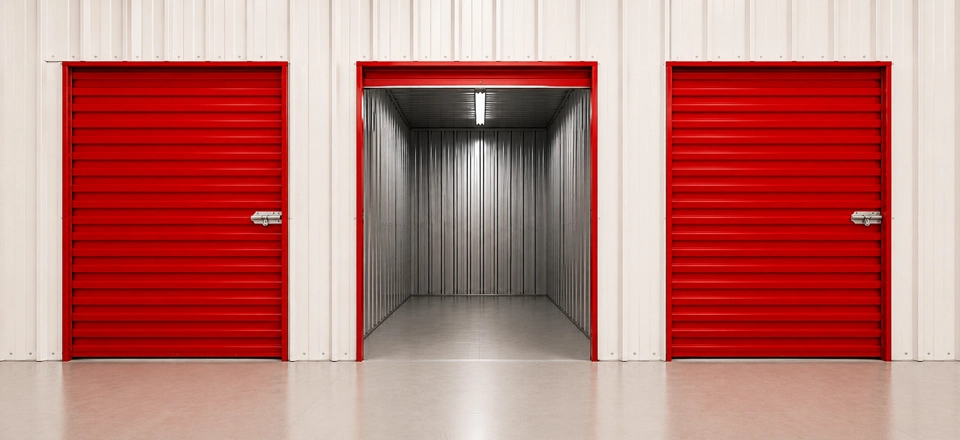
When using a personal storage service, always ask about the access conditions. Some companies work with an appointment system, while others allow entry on specific days and at specific times.
Details such as whether you can visit the facility whenever you like, whether you can take individual items out and what the procedure is if you want to add more items should be clarified in advance.
This is especially important for items you need to access frequently. If you will need to visit the facility periodically to collect items, the access hours may be the deciding factor for you.
The Payment Plan and Storage Period Should Be Clear
Storage pricing generally depends on the volume of your belongings, the size of the storage space, the storage period and any additional services. That is why, before getting a price, you need to specify how many cubic meters of belongings you have, how long you plan to store them and whether you want moving and packing services.
You should also find out in advance about the minimum rental period, the terms that apply to late payments and contract cancellation. This way, you won't face any surprise costs. For information on Troy Depo's storage fees, see our Household Storage Prices page.
Check the Security Measures
When choosing a secure storage service, you should always evaluate the facility's security standards. Measures such as CCTV, alarms, fire extinguishing equipment, controlled entry and exit and regular staff monitoring increase the reliability of a storage facility. Whether your belongings will be kept in a space reserved for you, whether they might get mixed up with other customers' belongings and who has access to the storage area are also important details. A reliable storage company should be transparent about these matters and clearly explain how your belongings are protected.
Don't Overlook Cleanliness, Hygiene and Pest Control
Another thing you need to know about personal storage is whether the facility is clean and well kept. Dusty, damp, stuffy or poorly maintained spaces can damage your belongings over time. Upholstered sofas, rugs, clothing, mattresses and wooden furniture in particular are directly affected by hygiene conditions. That is why you should ask whether the storage area is cleaned regularly, whether pest prevention measures are in place and whether the environment is protected from humidity. A clean, well-maintained facility helps keep your belongings in the same condition as on day one.
Plan the Transport and Pickup Process in Advance
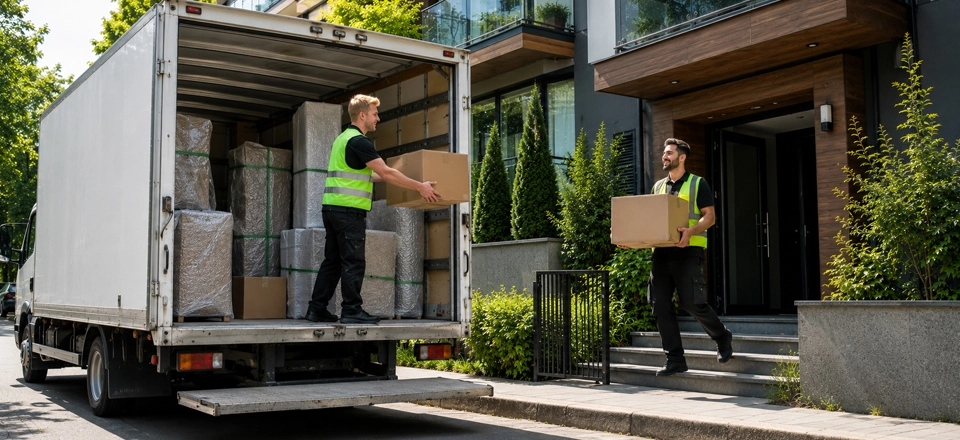
In personal storage, it's not only where your belongings will be kept that matters, but also how they will get to the facility and how you will get them back when you need them. That is why you should get detailed information about transport, pickup and return delivery before using a storage service.
Whether belongings are picked up from your address, whether a packing service is offered, which vehicles are used for transport and how the return delivery is planned should all be clarified in advance. Especially if you are storing large furniture, home appliances or delicate items, professional moving support reduces the risk of damage.
Troy Depo offers transport and storage together in the personal storage process, helping customers manage everything more easily. You can also take advantage of our storage service with moving included. This way, the entire process — from picking up your belongings at your home to placing them in storage — runs in a more organized and secure way.